
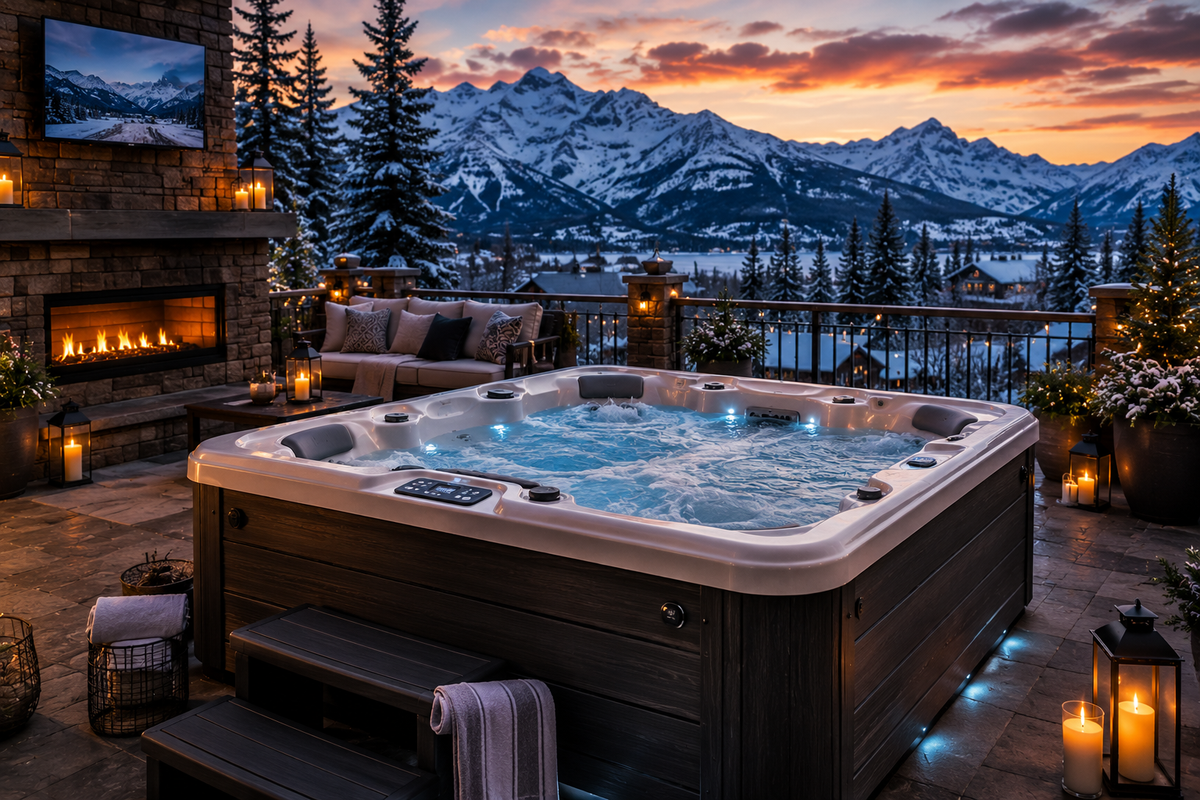
Considerations When Choosing a Hot Tub
What to Consider When Buying a Hot Tub
A hot tub can turn your backyard into a place to relax, reconnect, and enjoy the outdoors throughout more of the year. But choosing the right hot tub involves much more than deciding how many seats you want. Size, seating style, jets, insulation, climate, energy efficiency, maintenance, electrical requirements, placement, and long-term operating costs can all affect how happy you are with your purchase.
Before you buy, consider how you'll actually use your hot tub and where it will be installed. Here's what to look for.
1. Start With the Right Size
Hot tubs range from intimate two-person models to large spas designed for families and entertaining.
Think realistically about who will use yours most often.
2–3 Person Hot Tubs
Ideal for couples, smaller spaces, and homeowners who want a more private relaxation experience. Their smaller water capacity can also make them easier to fit into compact patios and decks.
4–6 Person Hot Tubs
A versatile choice for many households. They provide enough room for family and a few guests without requiring the space of an oversized spa.
7+ Person Hot Tubs
If entertaining is part of your outdoor lifestyle, a larger hot tub may be worth the additional space. Just remember that a larger spa generally means more water to heat and maintain, a larger installation area, and potentially higher operating costs.
Don't automatically buy the biggest hot tub you can fit. Buy the size you'll actually use.
2. Sit in It—Seating Design Matters
Two six-person hot tubs can feel completely different once you're sitting inside them.
Some models offer upright seating, while others include loungers that allow you to stretch out. You'll also find different seat depths to accommodate different heights.
If possible, look closely at the dimensions and seating layout rather than relying only on the advertised seating capacity.
A hot tub labeled for six people may technically provide six seating positions, but that doesn't necessarily mean six adults will have the amount of personal space you prefer.
3. Don't Choose Based on the Number of Jets Alone
A spa with more jets isn't automatically a better hot tub.
What matters is where those jets are positioned, how they're powered, whether they're adjustable, and whether they target the areas you care about.
Depending on the model, jets may focus on the:
- Neck and shoulders
- Upper and lower back
- Legs
- Calves
- Feet
If hydrotherapy-style massage is important to you, look at the entire jet system rather than simply comparing jet counts.
4. Consider the Pumps and Water Flow
Jets need sufficient water flow to provide a satisfying massage.
When comparing hot tubs, look at the relationship between the number of jets, pump system, available controls, and seating zones.
More isn't always better here either. A thoughtfully engineered system can be more important than an impressive specification on a product page.
5. Climate and Insulation Matter
Where you live should influence the hot tub you choose.
If you live somewhere with cold winters, insulation becomes especially important. A well-insulated spa can help retain heat, reduce how often the heating system needs to operate, and improve cold-weather performance.
Look at the insulation surrounding the shell and cabinet, the base, and particularly the cover.
A quality, properly fitted hot tub cover is one of the most important parts of keeping heat in when the spa isn't being used.
For homeowners who expect to enjoy their spa while snow is falling, cold-weather performance should be part of the buying decision from the beginning.
6. Think About Energy Efficiency
The purchase price isn't the only cost of owning a hot tub.
You'll also pay to heat and circulate the water throughout the year.
Energy use varies according to factors such as:
- Spa size
- Water temperature
- Insulation
- Cover quality and condition
- Outside temperature
- Wind exposure
- Frequency of use
- Pump and filtration operation
- Your local electricity rates
Rather than relying on a single estimated monthly operating cost, compare the design and efficiency features of the specific models you're considering.
7. Decide Where the Hot Tub Will Go
Choose your location before choosing your spa whenever possible.
A filled hot tub is extremely heavy because you're combining the weight of the spa itself, hundreds of gallons of water, and the people inside it.
Your installation surface must be level, stable, and capable of supporting the fully loaded spa.
Depending on your property and hot tub, that could mean a properly prepared concrete pad or another manufacturer-approved foundation.
If you're considering placing a hot tub on an elevated deck, have the structure evaluated by an appropriate qualified professional.
8. Plan for Electrical Requirements
Many full-size hot tubs require a dedicated electrical connection, while certain smaller models may offer plug-and-play operation.
Electrical requirements vary by hot tub, so check the manufacturer's specifications before installation.
Never assume an existing outdoor outlet is adequate. Required circuits, disconnects, GFCI protection, wiring, and installation procedures should follow the manufacturer's requirements and applicable electrical codes.
9. Think About Access Before Delivery Day
Here's something that's easy to forget:
How is the hot tub going to get into your backyard?
Measure gates, pathways, stairs, fences, roof overhangs, landscaping, and any narrow areas between buildings.
Remember that the hot tub may be transported on its side, so both width and height clearances can matter.
A beautiful hot tub isn't much help if the delivery crew can't get it to the installation site.
10. Consider Privacy
Where you place your spa affects how often you may actually use it.
A hot tub sitting in full view of neighbors or a busy street may not provide the relaxing experience you imagined.
Privacy screens, pergolas, landscaping, fencing, curtains, or strategically placed planters can help make the area feel more secluded.
Just be sure that anything surrounding the spa maintains appropriate access, ventilation, and manufacturer-required clearances.
11. Think About Weather Protection
A pergola, gazebo, or other properly designed outdoor structure can make a hot tub area more enjoyable during rain, snow, or intense sunshine.
However, don't completely enclose a spa without considering ventilation and moisture.
Hot tubs generate substantial humidity. Any surrounding structure should be suitable for the environment and installed according to applicable requirements.
12. Look at Water Care and Filtration
Every hot tub requires water maintenance.
Compare the filtration and water-care systems available with the models you're considering. Some spas incorporate additional sanitation technologies designed to work alongside normal water-care practices.
Regardless of the system, owners should expect to test the water, maintain appropriate sanitizer and chemistry levels, clean or replace filters as required, and periodically drain and refill the spa.
If easy maintenance is important to you, don't overlook this part of the buying decision.
13. Consider Steps, Covers, and Accessories
The right accessories can make your spa safer, easier, and more enjoyable to use.
Depending on your setup, consider:
- Hot tub steps
- A quality fitted cover
- Cover lifter
- Handrail
- Towel storage
- Outdoor lighting
- Privacy screens
- Pergola or gazebo
- Spa-side table
- Storage
- Weather protection
Plan for these items when setting your overall budget rather than treating them as an afterthought.
14. Check the Warranty
A hot tub contains several systems that work together, including the shell, cabinet, plumbing, pumps, heater, controls, and other electrical components.
Warranty coverage may be different for each one.
Before purchasing, find out what is covered, for how long, and whether labor is included. Also consider the availability of replacement parts and service for the brand you're purchasing.
A strong warranty can be particularly valuable on an investment you expect to enjoy for many years.
How Much Should You Spend on a Hot Tub?
Rather than starting with the cheapest model available, think about the total cost of ownership.
Your budget should account for more than the hot tub itself. Depending on your property and model, you may also need to budget for:
Site preparation + Electrical work + Delivery + Steps + Cover + Accessories + Water care + Ongoing electricity + Routine maintenance
Sometimes spending more initially for better insulation, construction, or features you'll genuinely use can make more sense than choosing based solely on the lowest purchase price.
Which Hot Tub Is Right for You?
Before making your final decision, ask yourself:
How many people will regularly use it?
Do I prefer upright seats, a lounger, or both?
Is massage performance important to me?
Will I use it throughout the winter?
How well insulated is it?
Where will I install it?
Can my electrical system accommodate it?
Can it be delivered to that location?
How much maintenance am I comfortable doing?
What will it cost to own—not just to buy?
Those answers will tell you far more than simply comparing the number of seats and jets.
Create Your Own Backyard Retreat
The right hot tub can become much more than a place to soak. It can become the centerpiece of your outdoor relaxation space.
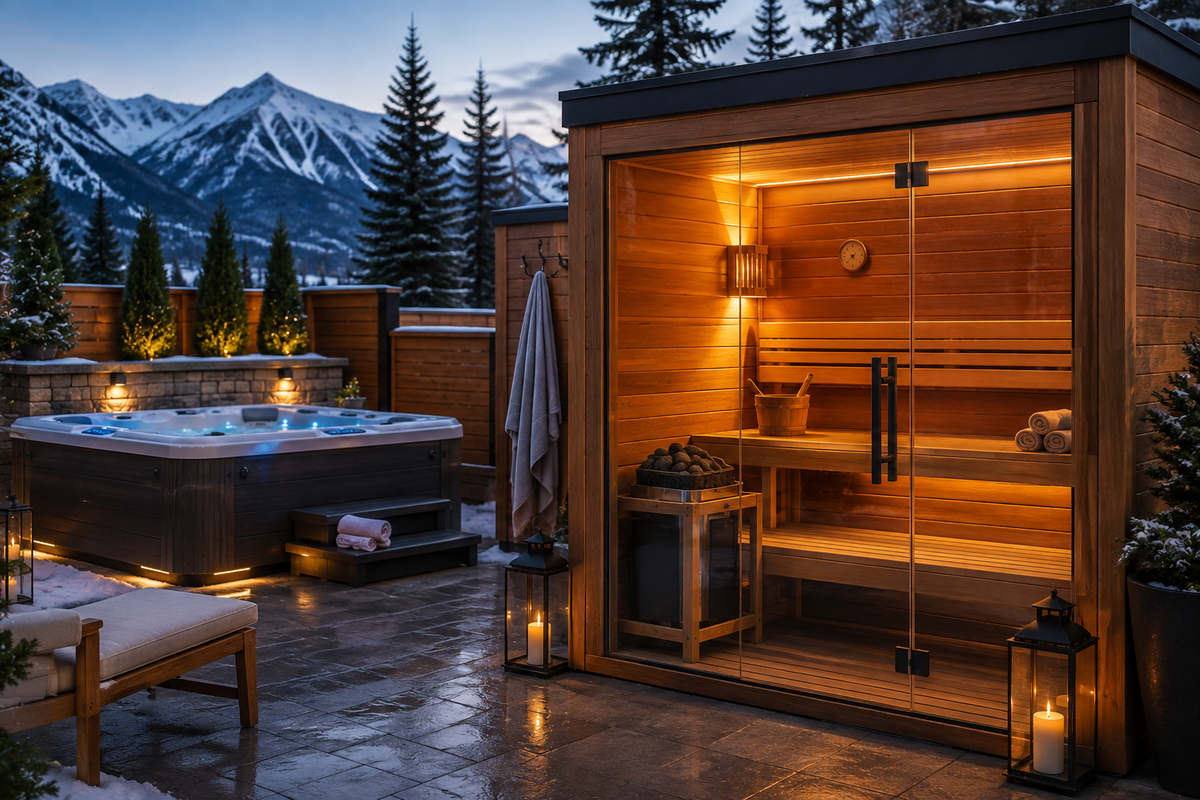
Add comfortable seating, privacy screens, outdoor lighting, a pergola, planters, a fire feature, or an outdoor dining area, and you can create a backyard that feels like your own private retreat.
Whether you're looking for a cozy spa for two, a family-size hot tub, or a larger model designed for entertaining, take the time to compare size, comfort, insulation, energy efficiency, features, maintenance requirements, installation needs, and warranty coverage before making your decision.
Explore the hot tubs and outdoor wellness collection at LuxLiving-USA and find the spa that fits your space, lifestyle, and favorite way to relax.

Leave a comment
This site is protected by hCaptcha and the hCaptcha Privacy Policy and Terms of Service apply.